
16 Nov 2026
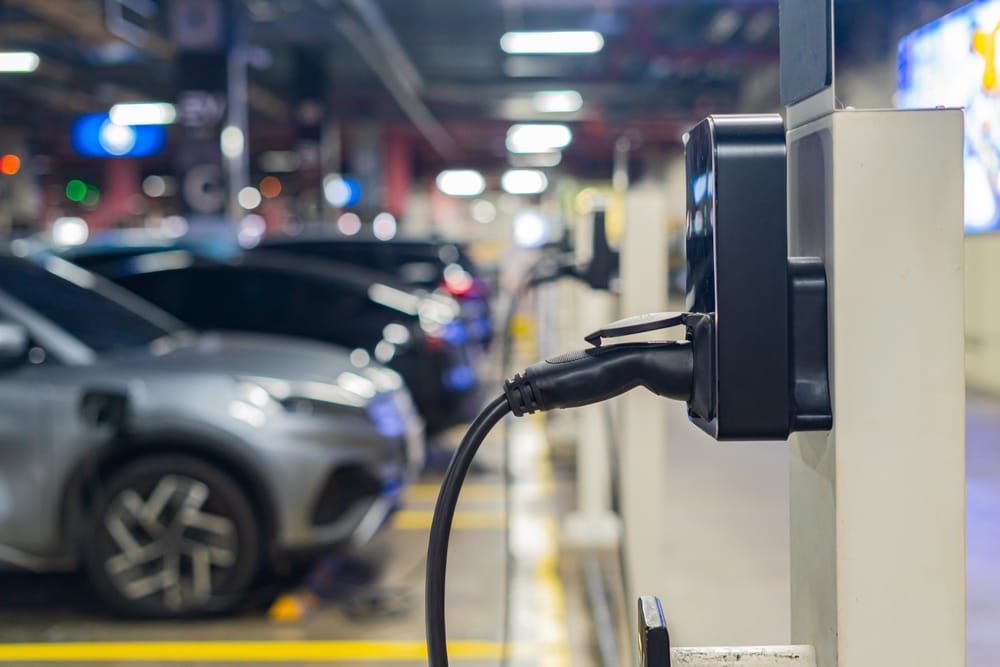
If you have been thinking about getting an electric car through your business, now is the time to plan it as a valuable tax relief is ending in a few months.
What is ending?
At the moment, a business that buys a brand-new, fully electric (zero-emission) car can deduct 100% of the cost from its taxable profits in the year it buys the car. This is called the 100% first-year allowance. It ends on:
- 31 March 2027 for limited companies
- 5 April 2027 for sole traders and partnerships
In previous years the Government has extended this deadline. The October 2026 Budget did not, so we are planning on the basis that these dates are final.
After the deadline, electric cars will get tax relief much more slowly. The cost will be relieved through writing down allowances, which are set to fall to 12% a year from April 2027.
What does that mean in practice?
For example, take a company paying 25% corporation tax that buys a £40,000 electric car:
- Currently, it could save around £10,000 of tax in the first year (£40,000 X 25%).
- Bought after the deadline, it would only save around £1,200 in the first year, with the rest of the relief spread over many years (£40,000 X 12% x 25%).
The relief only applies to new and unused fully electric cars. Second-hand cars and hybrids do not qualify.
Timing is important: ordering is not enough
For tax purposes, the spending usually counts when the car is delivered and the obligation to pay becomes unconditional, not when it is ordered. A car ordered in February but delivered in May will miss the deadline.
Lead times on some models are long, so it is worth speaking to your dealer early.
Other key points
- The type of finance or lease affects the relief available – Buying outright or on hire purchase can qualify for capital allowances. Contract hire and most other leases do not, although the rental costs are still tax-deductible.
- Potential clawback – If the car is later sold, or handed back at the end of a hire purchase agreement without taking up the option to buy, some of the relief may be clawed back through a balancing charge.
- Charging points – These can still qualify for full tax relief after the deadline, usually through the Annual Investment Allowance. Installing charging points at your office premises qualifies for capital allowances.
- Provision of charging – Electricity for charging at the office can be provided to employees tax-free, as long as certain conditions are met.
- VAT – there is no VAT recovery on the purchase of cars, except in limited circumstances.
If you are considering changing your vehicles, an electric car can be a very tax-efficient way to extract value from your company.
There are a number of details to consider when buying, so if you would like to discuss this further and make sure you are maximising the available reliefs, please get in touch with your usual contact at Galloways.
